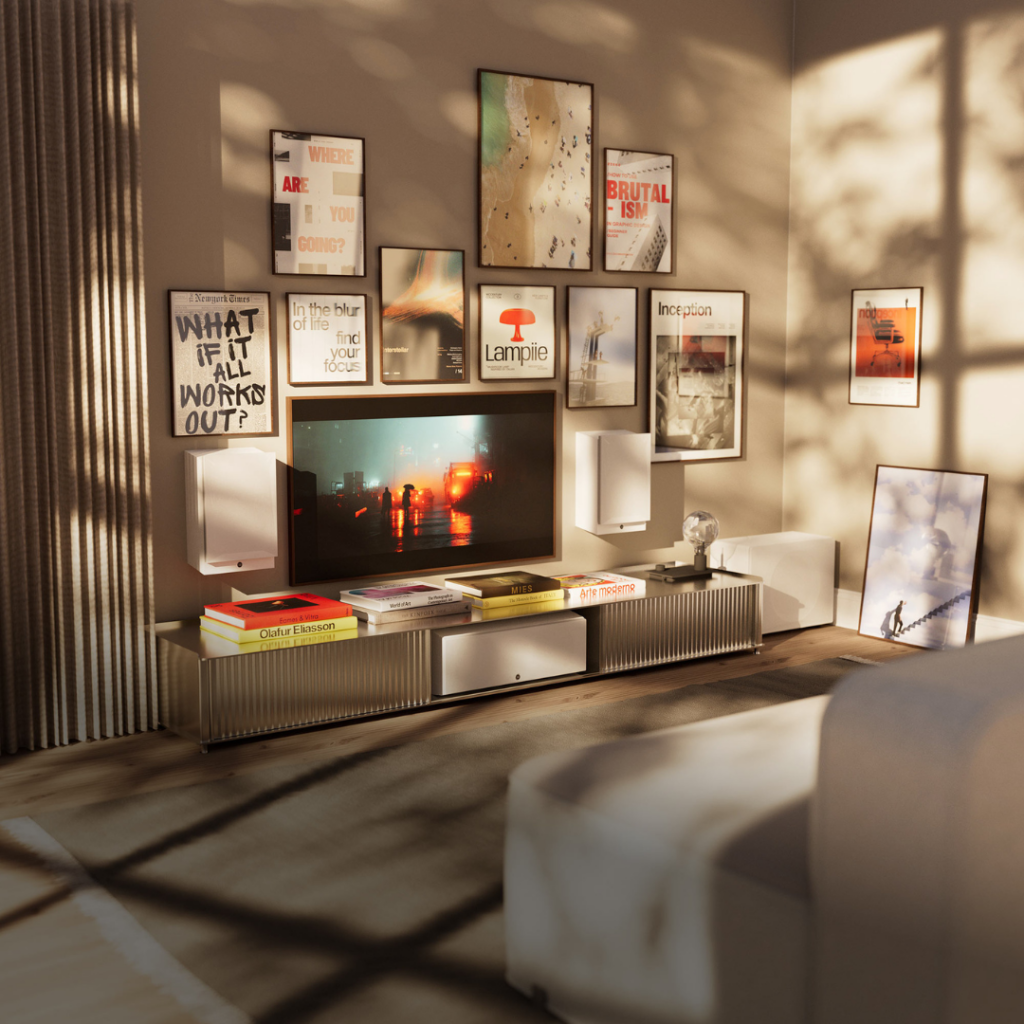
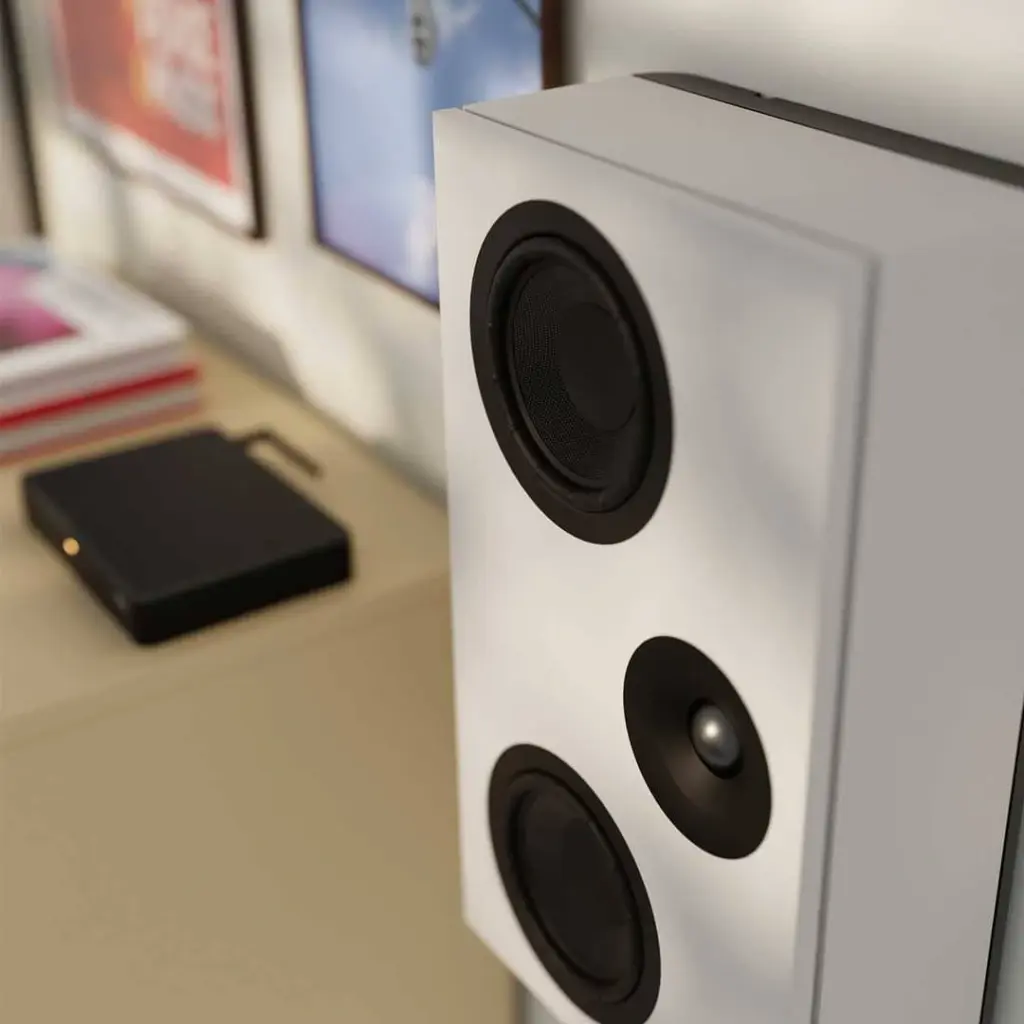
Speakers in a Dolby Atmos system
Ole Witthøft
Dolby Atmos has transformed the way we experience music and film. Listening to music in Atmos creates a three-dimensional sound space, where the listener is placed inside the music (and movie) instead of in front of it. Technology allows artists to position sounds in a 3D space, so the music surrounds you with detail, depth, and space that traditional stereo cannot deliver.
With streaming services like Apple Music, Atmos has become a common part of modern music production, and the flow of releases grows year by year. That’s why more people are building their own Dolby Atmos music systems – often step by step. Here is a guide to which speakers you need, and how you can most effectively expand your system at your own pace.
Atmos is based on so-called object-based sound, where sounds are not tied to fixed channels (left/right), but move freely in a three-dimensional space. This means:
To take advantage of the technology, the speakers must be placed to cover the entire sound dome around the listener. Therefore, you typically use:
One of the most flexible systems for this is the System Audio Silverback series, which provides wireless High-Resolution sound and the possibility for both stereo, multichannel, and Atmos via Surround Hub or Surround Hub X.
These are the most important speaker roles in an Atmos setup – and what you can wait to add until later.’
This is the foundation of any system.
Options:
Front speakers are the obvious place to start, especially if you build the system step by step, as described in ‘How to get your own Dolby Atmos music system’.
Rear speakers are placed behind the listening position and create spaciousness and depth in both music and film. Atmos mixes become much livelier when rear speakers are in place.
Recommended models:
The center channel handles:
For listening to stereo music, the center channel is not necessary, but for TV and film it is highly recommended. In the System Audio universe, Legend 10.2 silverback is made for this.
Dolby Atmos music often has low-frequency details that become clearer with a subwoofer. Films become significantly livelier.
Options:
Subwoofers are automatically managed by the Hub via room correction and work as one system.
Height channels give the sound its 3D dimension.
In System Audio setups, you can use:
If you build the system gradually, height channels are among the last things you need.
In ‘How to get your own Dolby Atmos music system’, we describe the most flexible approach: building your system at your own pace and expanding as needed.
Here is the typical development path:
This is given to you from the start:
A pair of Silverback 1 as rear speakers. This provides the greatest audible improvement in Atmos music – and dramatically enhances the film experience.
Silverback Sub Solo (+ optionally Sub Duo)
Provides more foundation, depth, and life at low volume – and a significant boost in films.
Atmos systems can be built at the pace that suits you.
With Silverback speakers and Surround Hub X, it’s possible to start small and grow into a full Atmos system – without cables, without technical complexity, and without having to replace equipment along the way.
Dolby Atmos opens a new universe of sound, where music comes alive around you, and your home’s sound becomes a source of experiences and pure quality of life. System Audio makes the technology accessible to everyone with flexible, elegant, and wireless solutions.
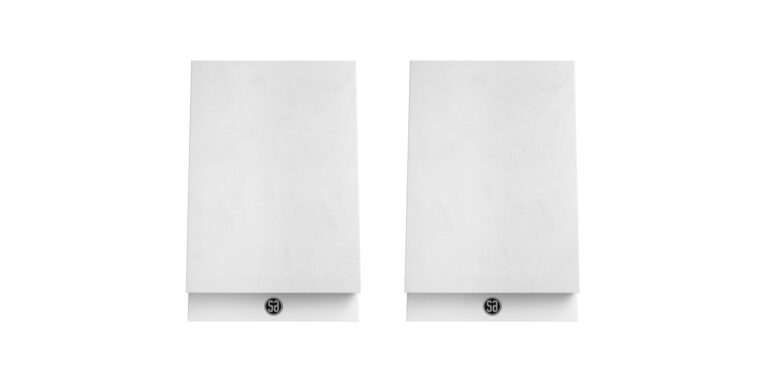
A compact speaker designed for wall or shelf mounting with a built-in 80-watt total amplifier power, delivering powerful and detailed sound. It is proof that you can enjoy big sound – without big speakers. Dimensions: 21 × 32.5 × 13.5 cm. Save 1.900 kr. on a complete music system bundle with Stereo Hub HT.
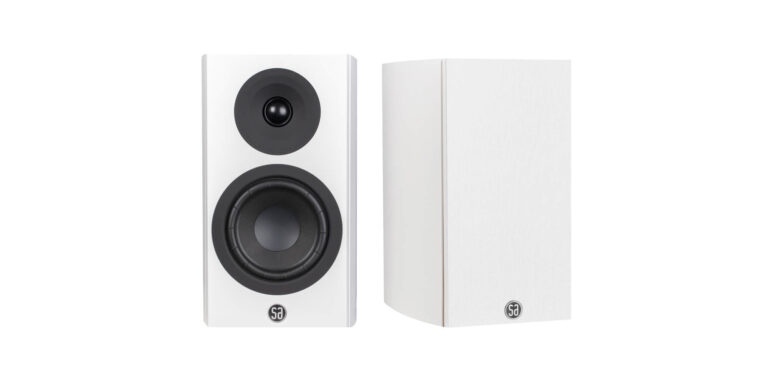
A powerful compact speaker designed for shelf, stand or wall mounting with a built-in 150-watt total amplifier power, delivering every tone, nuance and breath in the music with clarity and depth. It is proof of exceptional musicality – even at low volume levels. Dimensions: 36.5 × 49.5 × 42.5 cm. Save 1.900 kr. on a complete music system bundle with Stereo Hub HT.
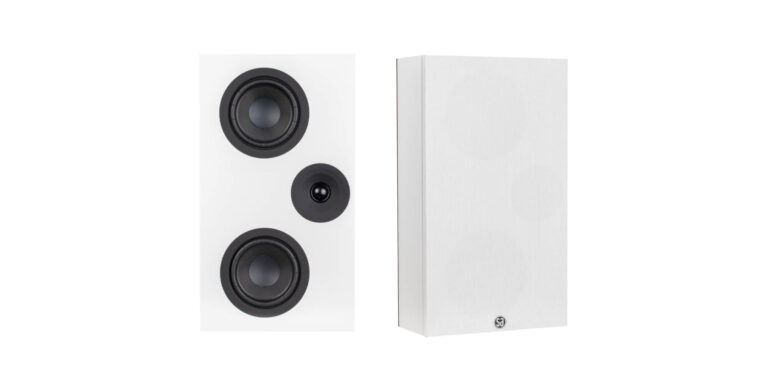
An EISA Award–winning speaker designed to hang on the wall with a built-in 225-watt total amplifier power, delivering advanced sound without taking up floor space. It is proof that wall-mounted speakers can also create high-end music experiences. Dimensions: 28.6 × 47 × 15.4 cm. Save 1.900 kr. on a complete music system bundle with Stereo Hub HT.
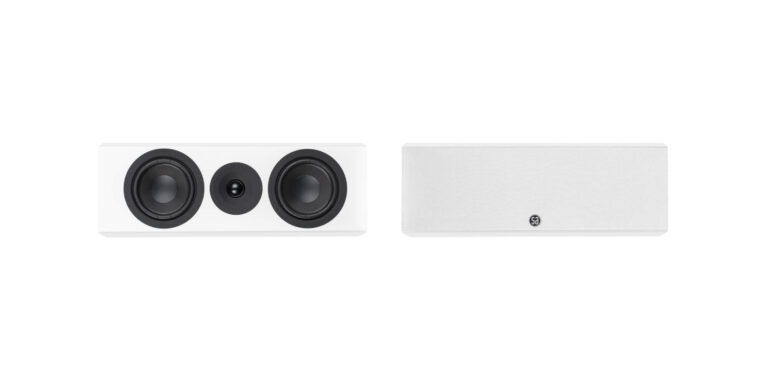
A powerful center speaker designed for shelf or wall mounting with a built-in 225-watt total amplifier power, delivering every tone and every whisper with clarity and depth. It is proof that groundbreaking technology and captivating sound go hand in hand. Dimensions: 50.4 × 19 × 26.5 cm.
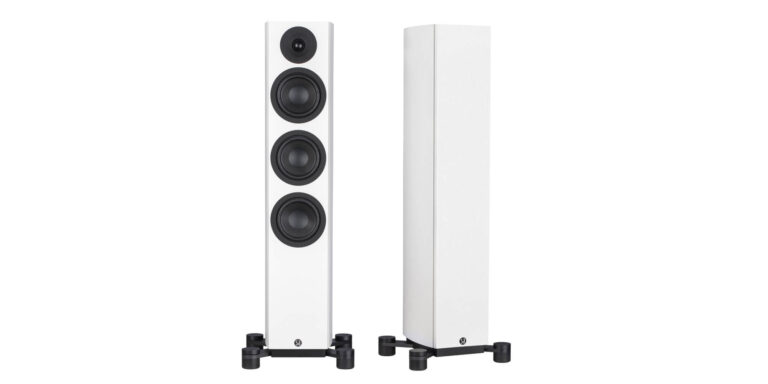
A revolutionary speaker designed for floor placement, with a built-in 300-watt total amplifier, delivering a pure sound experience that brings you closer to the artist than ever before. It is proof of a captivating experience that traditional loudspeakers cannot match. Dimensions: 19 × 95.5 × 26.5 cm. Save DKK 1,900 on a complete music system bundle with Stereo Hub HT.